Sixteen Years of Waiting: Colson Whitehead on Getting Good Enough
with Colson Whitehead — Novelist
July 29, 202601:45
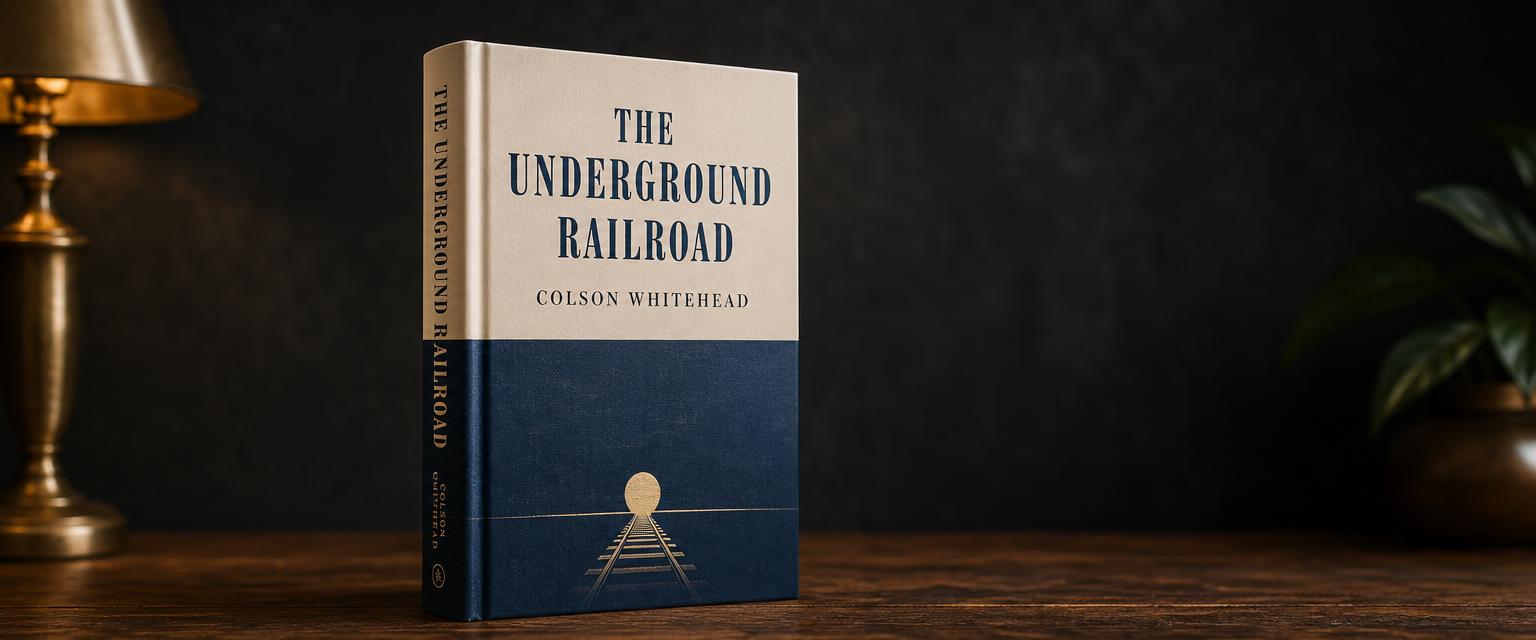
Discussed in this episode: The Underground Railroad · Doubleday, 2016
00:00--:--
A two-voice studio conversation: Nora Ellis and Colson, with clickable questions below. Our interviews are written and voiced dramatisations, drawn from each author's publicly documented remarks on craft.
Why he shelved his best idea until he could carry it, how he rationed the research, and building a novel where every state is a different genre of America.
The interview
Nora Ellis in conversation with Colson Whitehead · click a timestamp to jump
Nora Ellis
You had the idea for The Underground Railroad sixteen years before you wrote it. Why the wait?
Colson Whitehead
I didn't think I was good enough yet, and I was right. The premise — a literal railroad — needed a writer who could handle real brutality without flinching or wallowing, and at thirty I would have made it clever. Clever would have been an insult to the material. So I wrote other books and got older and finally ran out of excuses.
Nora Ellis
How do you research something that painful and stay functional?
Colson Whitehead
Slave narratives, in the mornings, with a time limit. I read the primary accounts because the language in them is more exact than anything I'd invent. Then I stopped at lunch and did something stupid and human, like watching bad television. You can't live in it. You visit, take notes, and come home.
Nora Ellis
Each state in the novel works like a different genre. Was that structural from the start?
Colson Whitehead
Yes — that was the map I made before drafting. Each state is a different America and therefore a different kind of storytelling: horror here, satire there, a false utopia. It let me write about how the country changes its costume without changing its intentions.
Nora Ellis
Why do you write?
Colson Whitehead
To find out what I think, which I usually don't know until page two hundred. And to be useful to the fourteen-year-old version of me who was looking for a book with people like him in it and couldn't find one on the shelf.
Nora Ellis
One thing you'd tell a writer who's afraid of a big subject?
Colson Whitehead
Wait if you must, but don't wait for permission. Wait until you have the craft, then go in and don't look away.
with Chimamanda Ngozi Adichie — Novelist & essayist
Four years, one abandoned narrator and a shelf of Biafran war memoirs. Adichie on research as a cure for fear, the danger of the single story, and why she threw away two years of work.

Frame stories, longhand mornings and why she'd rather be called a filing clerk than a prophet. Also: read your contracts more carefully than your reviews.