Constellation Novels: Olga Tokarczuk on Writing in Fragments
with Olga Tokarczuk — Novelist, Nobel laureate
July 22, 202601:55
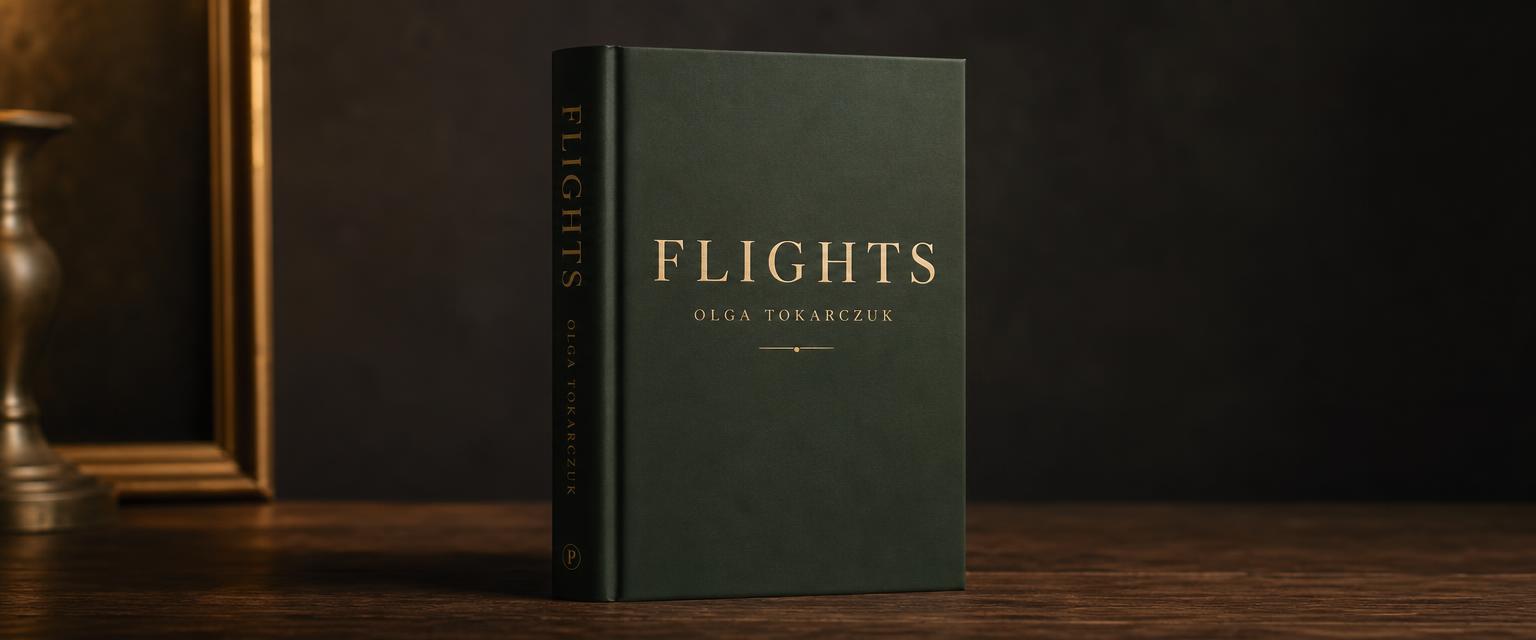
Discussed in this episode: Flights · Fitzcarraldo Editions, 2007
00:00--:--
A two-voice studio conversation: Nora Ellis and Olga, with clickable questions below. Our interviews are written and voiced dramatisations, drawn from each author's publicly documented remarks on craft.
Why a broken shape can be the honest one, what clinical psychology gave her prose, and literature as 'civic equipment' for tenderness.
The interview
Nora Ellis in conversation with Olga Tokarczuk · click a timestamp to jump
Nora Ellis
Your novels are made of fragments. Why does that shape feel truer to you than a single continuous plot?
Olga Tokarczuk
Because that's how we actually experience the world — in shards, in interruptions, on trains, between messages. I call it a constellation novel. You give the reader points of light and their mind draws the lines, and the shape they draw is part of the book. A tidy plot pretends life arrives in order. It doesn't.
Nora Ellis
Was that difficult to sell to publishers?
Olga Tokarczuk
At first, yes. I was told readers want a hero and a chase. I think readers are far more curious than that; they simply aren't asked very often. And a fragment has an enormous advantage — you can put a seventeenth-century anatomist next to a woman losing her family in an airport and the collision does the work of forty pages of explanation.
Nora Ellis
You worked as a psychologist. What did that leave in the writing?
Olga Tokarczuk
A tolerance for other people's logic. Everybody's reasoning makes perfect sense from inside; the job is to stand inside it long enough to describe it without mockery. That's clinical training and it's also, I think, the entire moral technique of a novel.
Nora Ellis
What is writing for?
Olga Tokarczuk
To practise tenderness towards what isn't ourselves. I mean animals, objects, strangers, the dead. Literature is the only instrument we have that lets you be someone else for a few hours and come back changed. That's not decoration. That's a kind of civic equipment.
Nora Ellis
One piece of advice?
Olga Tokarczuk
Keep a notebook of things that have no use yet. Most of my books began as a page of unrelated notes that refused to be thrown away.
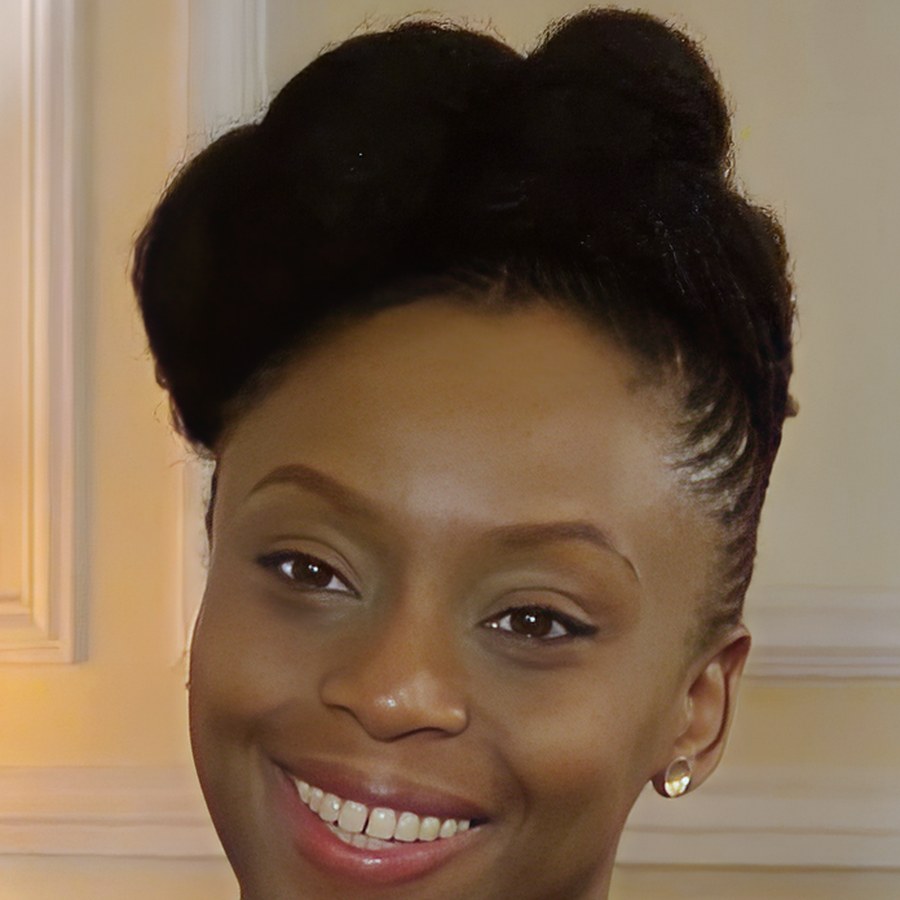
with Chimamanda Ngozi Adichie — Novelist & essayist
Four years, one abandoned narrator and a shelf of Biafran war memoirs. Adichie on research as a cure for fear, the danger of the single story, and why she threw away two years of work.
Frame stories, longhand mornings and why she'd rather be called a filing clerk than a prophet. Also: read your contracts more carefully than your reviews.